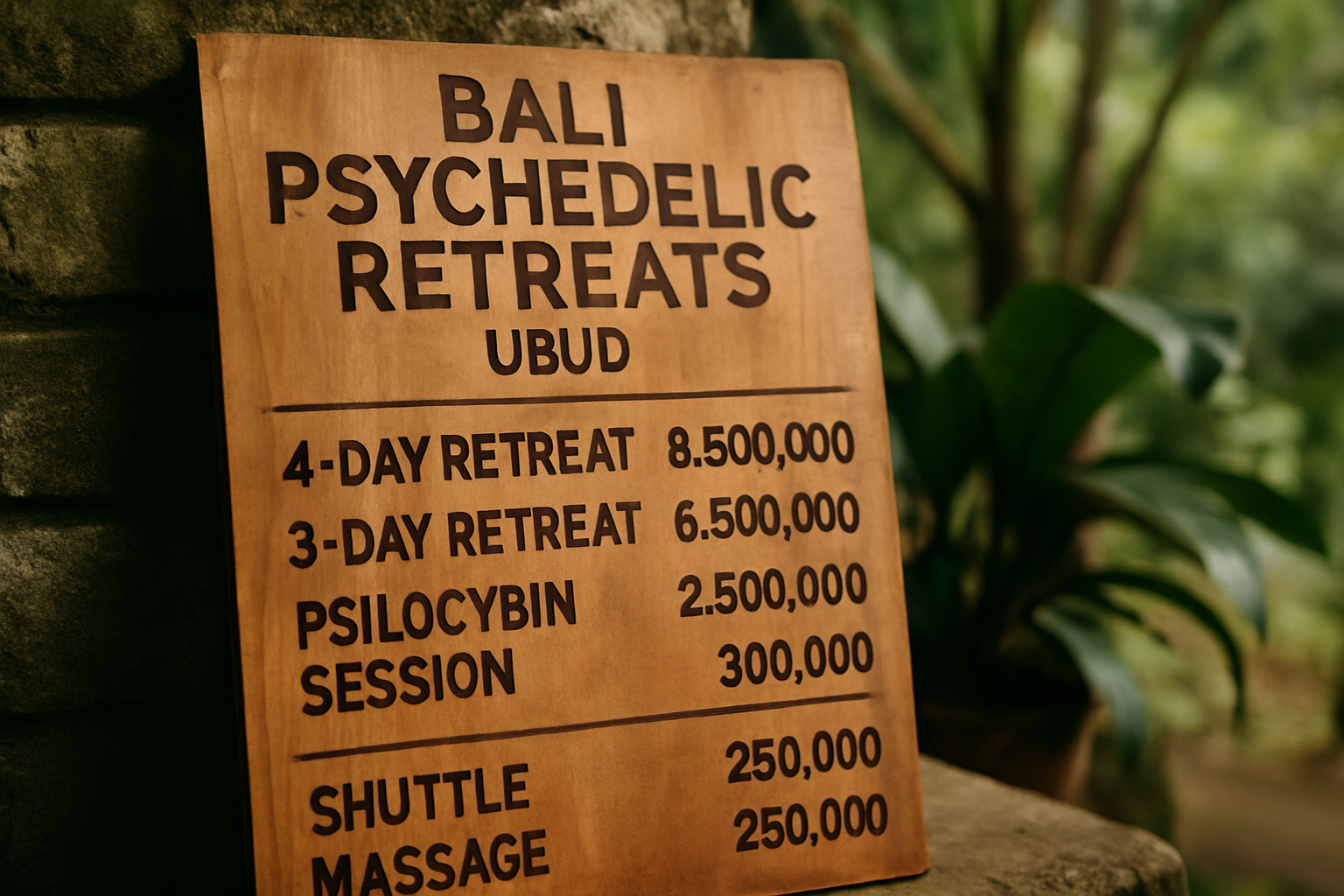
As morning light filters through the lush foliage of Bali, wellness seekers gather in serene spaces, eager for transformation. Yet, beneath the allure of Bali’s wellness scene lies an intricate web of legality and safety concerns that every traveler must navigate.
The Legal Landscape of Psychedelics in Indonesia
In Indonesia, the legal framework surrounding psychedelics is strict. Psilocybin mushrooms, along with other controlled substances, are categorized under Law No. 35 of 2009 on Narcotics. Possession or use can lead to severe penalties, including lengthy prison sentences. Despite the growing global interest in psychedelics for therapeutic purposes, Indonesian authorities maintain a hardline stance. As of October 2023, there have been no significant changes to these laws, and the government continues to enforce them rigorously.
Travelers seeking to experience psychedelic therapy should be aware of the legal implications. In contrast, practices such as breathwork, meditation, and yoga are entirely legal and widely practiced. Retreats often market themselves as psychedelic experiences, but it’s essential to scrutinize these claims. Many retreats focus on legal modalities that promote consciousness expansion without the use of illegal substances.
Understanding What’s Legal in Bali’s Retreat Scene
Bali’s retreat offerings include various wellness practices that are both legal and beneficial. Breathwork sessions can facilitate emotional release and heightened awareness, while yoga classes cater to both beginners and seasoned practitioners. Meditation retreats focus on mindfulness, often guided by experienced instructors.
Sound healing, which utilizes vibrations and frequencies for therapeutic purposes, has gained popularity in recent years. Cacao ceremonies, rooted in ancient traditions, provide a heart-opening experience without crossing legal boundaries. The prices for these retreats vary depending on duration and location. For example, a week-long yoga retreat can cost anywhere from $500 to $2,000, depending on accommodation and amenities included.
Cost Breakdown of Bali Retreats
When assessing the cost of Bali retreats, it’s crucial to understand what you’re paying for. Below is a general breakdown of expected costs:
– **Yoga Retreats**: Prices range from $500 to $2,000 for a week-long stay. Luxury retreats might include organic meals, spa services, and guided excursions.
– **Breathwork Sessions**: Expect to pay around $100 to $300 for a single workshop or intensives lasting several days.
– **Meditation Retreats**: A typical 5-day retreat can cost from $400 to $1,500, depending on the setting and included activities.
– **Sound Healing Workshops**: These generally range from $50 to $150 per session and can vary based on the facilitator’s experience.
– **Cacao Ceremonies**: Prices typically fall between $30 to $100 per participant, often including additional activities like drumming or sharing circles.
Investing in these experiences can offer significant personal growth, but it’s essential to evaluate each retreat’s offerings critically.
Evaluating Retreat Marketing: What to Look For
Marketing strategies for retreats can often be misleading. Claims of “psychedelic experiences” might refer to legal practices that produce altered states of consciousness, such as breathwork or meditation, rather than actual psychedelic substances.
When researching a retreat, consider the following:
1. **Instructor Credentials**: Verify the qualifications of the facilitators. Are they certified in their respective fields? Look for background information on their training and experience.
2. **Reviews and Testimonials**: Seek out independent reviews on platforms like Google or TripAdvisor. Authentic feedback from past participants can provide valuable insights into the quality of the retreat.
3. **Transparency**: A reputable retreat should openly discuss what is legal and what is not. They should clarify their approach to wellness, outlining the specific modalities used during the retreat.
4. **Safety Protocols**: Inquire about the health and safety measures in place, especially if the retreat involves physical activities or group dynamics.
5. **Refund Policies**: Understand the cancellation and refund policies before booking. This can save you unexpected financial loss if plans change.
Due Diligence and Safety Screening Checklist
To ensure a safe and fulfilling retreat experience, consider the following checklist:
– **Research the Retreat**: Check their website, read reviews, and look for any red flags.
– **Verify Legal Practices**: Confirm that the retreat does not offer illegal substances and focuses on legal alternatives.
– **Assess the Location**: Evaluate the safety of the area surrounding the retreat. Is it easily accessible, and are local amenities available?
– **Check Health and Safety Standards**: Look for certifications and safety protocols, especially regarding COVID-19 or other health concerns.
– **Ask About Group Dynamics**: Ensure that the retreat fosters a safe, inclusive environment for participants.
– **Consider Personal Health Needs**: If you have any underlying health conditions, consult with a healthcare professional before participating in intense wellness practices.
Engaging in this due diligence can significantly enhance your retreat experience while ensuring your safety and legal compliance.
Legal Alternatives Abroad: A Comparative Overview
For those interested in exploring psychedelic experiences legally, several countries offer alternatives to Bali:
1. **Netherlands**: Known for its truffle retreats, the Netherlands allows the sale and consumption of psilocybin truffles, often accompanied by guided sessions. Prices for retreats can range from €300 to €1,500 depending on duration and accommodations.
2. **Costa Rica**: This country offers various retreats focusing on ayahuasca ceremonies, which are legal under certain conditions. Retreats can range from $800 to $3,000, often including lodging and meals.
3. **Peru**: Home to traditional ayahuasca retreats, Peru allows for supervised experiences in a cultural context. Prices for week-long retreats typically range from $700 to $2,500.
Each of these destinations offers unique cultural and spiritual contexts for exploring consciousness, and they maintain legal frameworks that support such practices.
Conclusion: Making Informed Choices
Navigating the Bali psychedelic retreat landscape requires careful consideration of legality, safety, and personal goals. While the allure of profound experiences is tempting, understanding the legal boundaries and evaluating what each retreat offers is crucial.
For wellness travelers eager to explore consciousness expansion, Bali provides numerous legal and enriching alternatives. By conducting thorough research and utilizing due diligence, you can ensure a fulfilling retreat experience.
For more insights and resources on well-being and consciousness practices, visit our homepage at Bali Psychedelic Retreats.