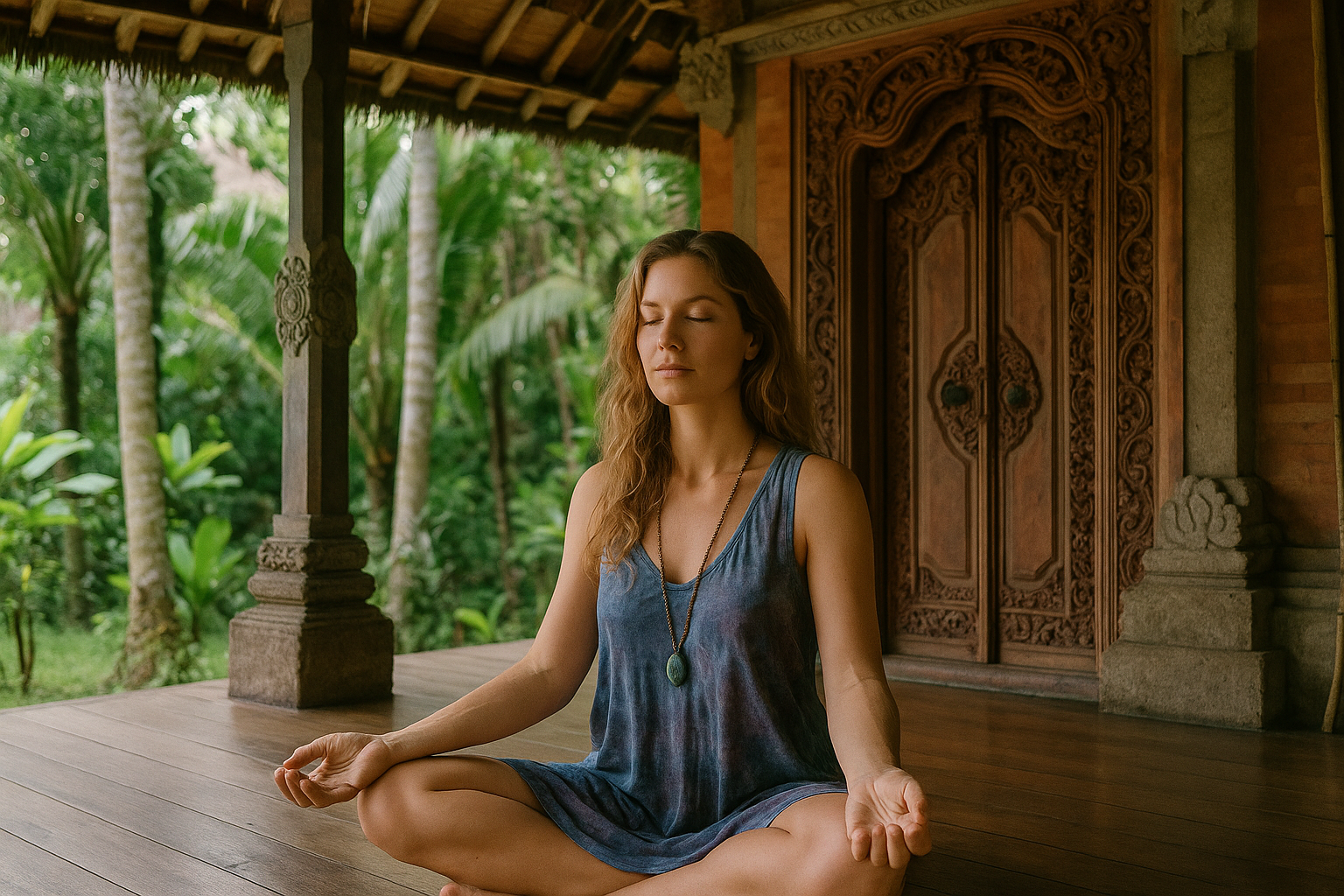
The aroma of incense mingles with the sounds of nature as you arrive at a retreat center in Bali. The vibrant energy of Ubud pulses with wellness seekers looking to explore consciousness expansion. However, before committing to a retreat, it’s essential to navigate the murky waters of legality and safety surrounding psychedelic practices in Indonesia.
The Legal Framework Surrounding Psychedelics in Indonesia
Psychedelics, including psilocybin mushrooms, are classified as illegal under Indonesian law, specifically the Narcotics Law No. 35 of 2009. The penalties for possession, distribution, or production of these substances can be severe, including lengthy prison sentences and heavy fines. As of 2023, Indonesia has not shown signs of relaxing its strict stance on these substances, making it critical for travelers to prioritize legal alternatives.
In contrast, wellness practices such as yoga, meditation, breathwork, sound healing, and cacao ceremonies are legal and widely offered across Bali. These activities are often marketed as part of transformative retreats, focusing on personal development without the use of illegal substances. It’s essential to scrutinize retreat offerings to ensure they comply with local laws while providing meaningful experiences.
Legal Alternatives: Exploring Consciousness Without Psychedelics
While the allure of psychedelics can be tempting, Bali offers a variety of legal alternatives that promote well-being and consciousness expansion.
1. **Breathwork**: This practice involves controlled breathing techniques to enhance physical and mental well-being. Various retreat centers in Ubud offer guided sessions, often lasting from 60 to 90 minutes.
2. **Meditation**: With its serene landscapes, Bali is an ideal backdrop for meditation retreats. Classes range from mindfulness to transcendental meditation, often lasting several days.
3. **Sound Healing**: Utilizing instruments like singing bowls and gongs, sound healing sessions aim to restore balance and promote relaxation. Many retreats incorporate this into their schedules.
4. **Yoga**: Known globally, yoga classes in Bali vary from restorative to challenging practices. Retreats typically include daily yoga sessions, allowing participants to reconnect with their bodies.
5. **Cacao Ceremonies**: These ceremonies focus on the heart-opening properties of cacao. Participants often engage in group settings, incorporating music and meditation, creating a communal experience.
These practices can lead to profound insights and personal growth, often cited as beneficial alternatives to psychedelic experiences.
Understanding Retreat Marketing: What to Look For
The marketing of retreats in Bali can be misleading, often blurring the lines between legal and illegal offerings. Some retreats may use terms associated with psychedelics to attract attention. Here’s how to approach retreat selection with caution:
1. **Research the Facilitators**: Look for certifications or professional backgrounds of facilitators. Authentic wellness practitioners should have credentials in their respective fields, such as yoga certifications from recognized institutions.
2. **Read Reviews and Testimonials**: Websites and platforms like Google Reviews or TripAdvisor can provide insights into previous attendees’ experiences. Seek out detailed testimonials that speak to the quality and legality of the offerings.
3. **Verify Activities**: Ensure that the retreat explicitly states the activities offered. If a retreat mentions psychedelics, it’s a red flag. Reach out directly for clarification if needed.
4. **Check for Transparency**: Trustworthy retreats will be transparent about their practices and the legal implications of their offerings. Look for detailed descriptions on their websites.
5. **Safety and Wellness Protocols**: Inquire about safety measures, especially concerning health emergencies, and the retreat’s approach to mental health support.
By taking these steps, you can safeguard your experience and ensure that you engage with legal and responsible practices.
Due Diligence: Safety Screening Checklist
When considering a retreat, conducting due diligence is paramount. Here’s a safety screening checklist to help you evaluate options:
1. **Legal Compliance**: Ensure the retreat adheres to Indonesian laws regarding substances. Confirm that no illegal activities are promoted or performed.
2. **Health and Safety Protocols**: Verify that the retreat follows health guidelines, especially in light of the COVID-19 pandemic. Look for sanitation practices and emergency protocols.
3. **Qualified Staff**: Check that facilitators have relevant experience and certifications. This includes mental health professionals for retreats focusing on emotional well-being.
4. **Insurance and Liability**: Ask about liability waivers and insurance coverage. Reputable retreats should have insurance to cover potential incidents.
5. **Testimonials and Background Checks**: Look for independent testimonials and reviews. Ensure that the retreat has a history of safe and effective practices.
Utilizing this checklist will enhance your peace of mind and help ensure a positive experience.
Comparing International Retreats: Legal Psychedelic Alternatives
For those specifically interested in psychedelic experiences, legal alternatives exist abroad. Here’s a brief comparison of options in the Netherlands, Costa Rica, and Peru:
1. **Netherlands**: Known for its legal psilocybin truffles, the Netherlands offers retreats in places like Amsterdam. Here, guided experiences are available within a legal framework. Prices for retreats can range from €200 to €1,000 depending on the duration and included services.
2. **Costa Rica**: Costa Rica provides opportunities for ayahuasca ceremonies, which are legal and culturally rooted in indigenous practices. Retreats often combine yoga and wellness activities, with costs averaging $700 to $2,500 for week-long experiences.
3. **Peru**: Renowned for its traditional ayahuasca ceremonies, Peru has a rich history with plant medicine. Retreats vary widely in price, typically ranging from $300 to $1,500 for multi-day programs, often set against the backdrop of the Amazon rainforest.
These international offerings highlight the diversity of psychedelic experiences available in a legal context, offering alternatives for those seeking deeper exploration.
Conclusion: Making Informed Choices for Wellness in Bali
As you consider a retreat in Bali, awareness of the legal landscape surrounding psychedelics is essential. The island offers numerous legal alternatives that provide profound personal growth without the risks associated with illegal substances. By conducting thorough research and using the safety checklist, you can navigate the retreat scene with confidence.
Bali’s commitment to wellness continues to attract travelers worldwide, offering a range of practices that promote health and consciousness. For more information on safe and legal wellness retreats in Bali, visit our homepage at Bali Psychedelic Retreats.